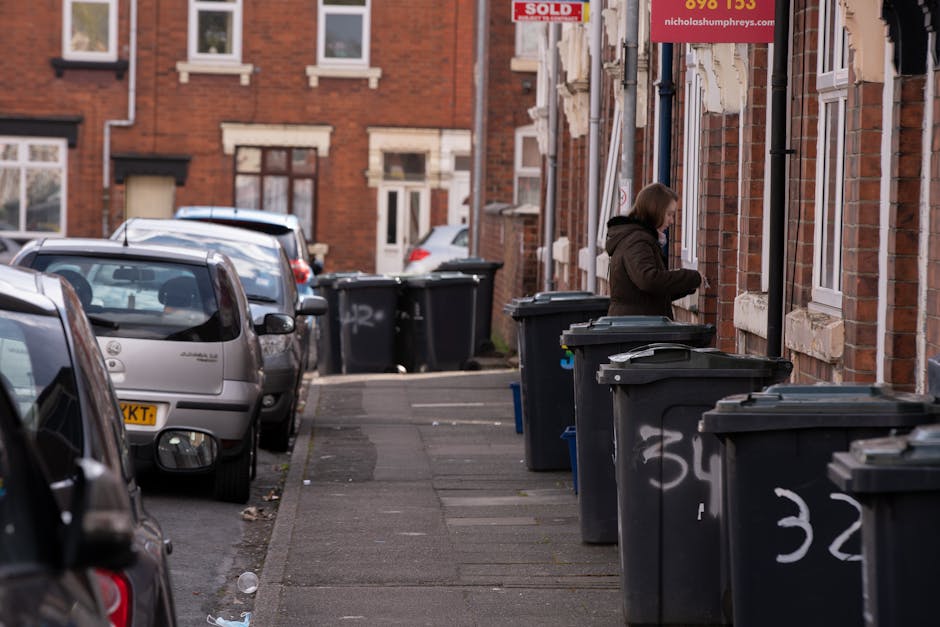
Shepherds Bush Estate Rubbish Collection Guide for Landlords
If you let property in Shepherds Bush, rubbish has a habit of showing up at the worst possible time. End-of-tenancy clear-outs, bulky furniture left in hallways, garden waste after a move-out, or a builder's rubble pile after a quick refurb can all create friction fast. This Shepherds Bush estate rubbish collection guide for landlords is here to help you keep things orderly, compliant, and far less stressful.
To be fair, most rubbish problems are not complicated. They are just annoying, time-sensitive, and a bit messy. The trick is having a simple system: know what needs removing, who is responsible, how quickly it should happen, and what to do when tenants, contractors, or managing agents all point at each other. That is where a good rubbish collection process earns its keep.
Below, you will find a practical, landlord-focused guide covering collection options, common mistakes, compliance basics, comparison points, and a checklist you can actually use. If you manage multiple flats, HMOs, or a single rental that sees regular turnover, this should save you time and a few grey hairs.
- Why this matters for landlords in Shepherds Bush
- How estate rubbish collection works
- Key benefits and practical advantages
- Who needs this service and when it makes sense
- Step-by-step guidance
- Expert tips for better results
- Common mistakes to avoid
- Tools, resources and recommendations
- Law, compliance, standards and best practice
- Options, methods and comparison table
- Case study or real-world example
- Practical checklist
- Conclusion
- Frequently asked questions
Why Shepherds Bush Estate Rubbish Collection Guide for Landlords Matters
Landlords in Shepherds Bush deal with a particular kind of waste pressure. It is rarely just one bag of rubbish. More often, it is a combination of tenant belongings, broken furniture, packaging, old appliances, and the random leftovers that appear after contractors have been in and out of a property. In a busy rental market, that can quickly become a reputation issue as much as a cleanliness issue.
Shared entrances make it worse. One overflowing bin store or one abandoned mattress can affect every resident in the building. And once rubbish begins to sit around, it draws complaints, smells, pests, and sometimes fly-tipping by others who think the space is already a dumping ground. Nobody wants that. Nobody.
For landlords, waste collection is not just about clearing clutter. It supports tenant satisfaction, protects common areas, helps with handovers, and reduces the risk of escalation with managing agents or neighbours. A tidy estate feels cared for; a cluttered one feels neglected, even if the paperwork behind the scenes is immaculate.
This matters even more after check-out inspections or refurbishment periods. A property can look ready on paper, but if the rubbish is still in the stairwell, it is not really ready. That gap between "almost done" and "actually done" is where many landlords lose time.
How Shepherds Bush Estate Rubbish Collection Guide for Landlords Works
At a practical level, estate rubbish collection usually follows a simple workflow: identify the waste, separate what can be reused or recycled, arrange collection, and clear the property or communal area quickly and safely. The details vary depending on the size of the job and the type of waste, but the underlying logic is the same.
For landlords, the best approach is usually a pre-planned one. You will often need a mix of services, not just one. For example, a move-out might involve a flat clearance, a furniture disposal job, and then a general rubbish collection for loose items. A small refurbishment may need builders waste handling as well. If the waste comes from an office-style managed space or mixed-use property, a business waste approach may also make sense.
In Shepherds Bush, properties can range from compact flats to larger blocks and mixed estate developments. That means access matters. Lifts, stairwells, narrow corridors, timed entry windows, and neighbour sensitivities all affect the collection plan. A good service should work around those realities, not fight them.
There is also a timing element. A same-day or next-day collection can be the difference between a smooth handover and a delayed rent-ready date. Sometimes the pile looks small in the morning and somehow doubles by lunch. Funny how that happens. So the smart move is to plan collection before the rubbish becomes a visible problem.
Key Benefits and Practical Advantages
Estate rubbish collection offers more than a cleaner yard or bin store. For landlords, the real value is operational.
- Faster turnaround between tenancies - when a property is cleared promptly, decorating, cleaning, and inspections can begin sooner.
- Better presentation - a clean estate makes a far stronger impression on prospective tenants, visitors, and contractors.
- Lower complaint risk - less rubbish means fewer complaints about odours, access problems, blocked walkways, or pests.
- Reduced tenant disputes - a clear process helps separate landlord responsibilities from tenant obligations.
- Less stress for managing agents - if waste removal is organised properly, everybody knows what happens next.
- Safer communal areas - fewer obstructions in hallways, courtyards, and bin stores.
A practical advantage that often gets overlooked is predictability. Once you know the sort of waste your building produces, it becomes easier to budget and schedule. That matters if you manage more than one property. You stop reacting and start planning. Bit of a relief, honestly.
And from a tenant-retention angle, cleanliness is not a minor thing. A building that feels looked after tends to stay looked after. People notice the difference even if they do not say it out loud.
Who This Is For and When It Makes Sense
This guide is mainly for private landlords, estate landlords, block managers, and letting agents responsible for rental properties in and around Shepherds Bush. It is especially useful if you deal with:
- end-of-tenancy clear-outs
- abandoned furniture or white goods
- fly-tipped rubbish near communal access points
- post-refurbishment debris
- garden or outdoor waste from shared spaces
- garage, basement, or storage-room clearances
- multiple flats in one building with different move-out dates
It also makes sense if your property has tight access or a reputation to protect. In Shepherds Bush, a small delay can have a visible knock-on effect. Rubbish outside a block does not stay "just for today" for long. It becomes the thing people talk about at the gate.
For some landlords, the job is as simple as arranging a one-off rubbish removal. For others, especially those handling regular voids or larger estates, it is more about setting up a repeatable process. If that sounds familiar, a broader waste collection plan is often better than treating each problem as a separate emergency.
Step-by-Step Guidance
Here is a sensible landlord workflow that works well in real life, not just on paper.
- Inspect the waste properly. Decide whether the issue is general rubbish, bulky furniture, builders debris, garden waste, or a full clearance.
- Separate hazards or sensitive items. Remove sharps, chemicals, confidential paperwork, or anything requiring special handling before collection.
- Take clear photos. This helps with inventory disputes, insurance records, and contractor instructions. A quick phone photo can save a long email chain later.
- Confirm access details. Note floor level, lift access, parking restrictions, entry codes, and any time limits for using communal spaces.
- Choose the right service type. A flat clearance, house clearance, furniture disposal, or rubbish removal job may be more suitable than a standard collection.
- Book the slot early. End-of-month dates get busy. Fridays are popular too, because everyone wants the weekend to begin with a clean slate.
- Coordinate with tenants or agents. If someone still has items to remove, set a firm deadline in writing.
- Check the area after collection. Do not assume the job is finished until the landing, bin store, and access route are clear.
- Record what was removed. Keep a simple log for your property file. Nothing fancy, just enough to show what happened and when.
For larger clear-outs, especially after refurbishment, you may need a mix of services. A builders waste collection can handle heavier material, while a house clearance or flat clearance may suit a move-out with mixed items. The right mix depends on what is actually sitting there, not what the file title says.
Expert Tips for Better Results
Good waste management on estates usually comes down to habits. A few small ones make a big difference.
- Use a pre-collection checklist. It reduces missed items and last-minute confusion.
- Keep one person accountable. If three people are coordinating, ask who has final sign-off. Otherwise the job drifts.
- Bundle similar waste together. Furniture, loose rubbish, and refurb debris are easier to assess when they are grouped properly.
- Think about the common areas. Waste in a bin store is one thing; waste in a hallway is another. Prioritise safe access first.
- Schedule around tenant movement. If one flat is still moving out, collection timing matters a lot more than people think.
- Document repeat offenders. If a particular tenant, contractor, or block keeps generating the same issue, patterns matter.
One thing we see a lot: landlords wait until the rubbish is already causing friction before acting. If you know a tenancy is ending, book removal before the problem lands. It is much calmer that way. Less drama, fewer phone calls, better sleep.
Another useful habit is to match the service to the item type. A single sofa is not the same as a full mixed-load clearance. If the main issue is bulky seating, a dedicated sofa removal service can be the cleanest option. If it is a pile of mixed household items, rubbish removal may be more efficient.
Common Mistakes to Avoid
These are the mistakes that tend to create avoidable headaches for landlords.
- Assuming the tenant will sort everything out. Sometimes they do. Sometimes they absolutely do not.
- Leaving waste in communal spaces. Even overnight can trigger complaints in a busy block.
- Mixing recyclable and non-recyclable items without checking. This can complicate disposal and push up costs.
- Forgetting access constraints. A van may arrive on time, but if no one can get in, the job stalls.
- Ignoring bulky hidden waste. Basements, sheds, lofts, and garages often contain the real mess.
- Using the wrong service type. A "quick collection" is not always enough for a full estate clearance.
- Not keeping records. In a dispute, memory fades fast. Written notes do not.
There is also a subtle one: underestimating how quickly rubbish becomes a visual problem. A single mattress leaning in a corridor can make a whole building look neglected. Harsh, but true.
Tools, Resources and Recommendations
You do not need a complicated system. A few simple tools are usually enough:
- a phone camera for before-and-after photos
- a shared checklist for agents, landlords, and caretakers
- basic labels or tape for separating items
- a property log for repeated waste issues
- calendar reminders for end-of-tenancy dates and contractor access windows
For landlords with regular voids or heavier turnover, it is worth thinking in terms of service categories instead of one-off fixes. General rubbish collection is useful for day-to-day waste. Waste removal fits broader mixed loads. Waste clearance is often the better phrase when a space needs fully resetting.
If the property has outdoor areas, also consider garden clearance. If it includes storage spaces or garages, a garage clearance may be the more realistic job description. That sounds obvious, but in practice people often try to force everything into one bucket. The result is usually a muddle.
Law, Compliance, Standards, or Best Practice
On the compliance side, landlords should use sensible, documented processes and avoid casual disposal arrangements. In the UK, the general expectation is that waste is handled responsibly, transferred to legitimate operators, and kept out of unlawful dumping channels. You do not need to be a legal expert to apply that principle well.
Best practice for landlords includes the following:
- keep a record of waste removal dates and what was collected
- use clear written instructions for tenants and contractors
- separate household rubbish from refurbishment waste where practical
- handle any potentially hazardous items with extra care
- avoid leaving waste in ways that block access, exits, or shared circulation routes
If the waste is generated by a commercial or mixed-use element of the building, it is sensible to treat it as a business matter rather than a domestic afterthought. That is where a service such as business waste can be relevant. And if you are dealing with materials from builders, decorators, or fit-out work, use the most suitable route rather than guessing.
Best practice also means being careful with communication. If tenants are responsible for removing personal items, say so clearly and in writing. If the landlord is covering the clearance, make that equally clear. Ambiguity is a gift to future arguments.
The simplest compliance habit is also the most useful: know what was removed, when it was removed, and who arranged it. That basic paper trail solves more problems than people expect.
Options, Methods, or Comparison Table
Different waste jobs need different methods. Here is a straightforward comparison to help you choose.
| Method | Best for | Strengths | Limitations |
|---|---|---|---|
| Standard rubbish collection | Loose waste, bags, small mixed loads | Quick, simple, good for routine clear-ups | May not suit bulky or heavy items |
| Rubbish removal | Mixed waste that needs hands-on clearing | Flexible and convenient | Needs clear access and item description |
| Flat clearance | End-of-tenancy or abandoned contents | Good for full or partial property resets | More planning required |
| House clearance | Larger properties or multi-room clear-outs | Efficient for bigger volumes | Often not needed for small jobs |
| Builders waste | Refurbishment debris, offcuts, rubble | Suitable for heavier, worksite-style waste | Should not be mixed carelessly with general rubbish |
For landlords, the decision usually comes down to volume, item type, and speed. If you are clearing one overflowing bin store, a collection may be enough. If you are emptying a whole flat after a long tenancy, clearance is usually the better fit. Simple enough, but it helps to decide early.
Case Study or Real-World Example
Consider a typical Shepherds Bush rental situation. A landlord regains possession of a two-bedroom flat after a long tenancy. Inside, there are a few bags of household rubbish, an old wardrobe, broken chairs, packaging from a recent delivery, and some loose items in the hallway cupboard. Nothing dramatic on its own, but together it is enough to delay cleaning and repainting.
The landlord first photographs everything, confirms access with the managing agent, and separates the few reusable items from the genuine waste. The bulky furniture is grouped together, the loose rubbish is bagged, and the cupboard is checked for forgotten items. Because the job was identified correctly, the right mix of collection and clearance is arranged rather than a half-solution.
The result is simple: the cleaners can work the same day, the decorator comes in on schedule, and the next viewing slot is not lost. No heroic drama. Just good process. In practice, that is what saves money and stress.
That kind of job is also where adjacent services can come in handy. If the flat contains furniture in good condition that needs removing separately, furniture disposal can be more appropriate than a general clear-out. And if there is a storage room full of mixed items, a broader home clearance approach might be the tidiest route.
Practical Checklist
Use this before arranging estate rubbish collection for a Shepherds Bush property:
- Identify the type of waste: general rubbish, bulky items, furniture, builders waste, or mixed clearance
- Check whether the tenant, contractor, or landlord is responsible
- Take clear photos of the waste and access points
- Confirm lift access, stair access, parking, and time restrictions
- Remove any hazardous or sensitive items separately
- Group similar items together where possible
- Book the right service type for the volume involved
- Tell tenants or managing agents the collection window
- Inspect the space after the job is complete
- Record what was removed for your property file
If the job involves a lot of mixed material, consider whether a full waste disposal approach is more suitable than a small collection. If it is a shared building, think about the whole estate, not just the flat in front of you.
Get a free quote today and see how much you can save.
Conclusion
For landlords, rubbish collection is one of those quiet jobs that makes everything else easier. When it is handled well, tenants move out smoothly, cleaners get in on time, contractors are not blocked, and the building feels cared for. When it is handled badly, tiny issues become annoying ones, and annoying ones become expensive.
The best Shepherds Bush estate rubbish collection approach is simple: plan early, choose the right service, keep records, and do not let waste sit around longer than it should. That is especially true in shared buildings where one neglected pile affects everyone.
Truth be told, the most successful landlords are usually not the ones who solve waste problems dramatically. They are the ones who stop them becoming problems in the first place. Small win, but a real one.
If you want a cleaner, calmer handover next time, build the system now. Your future self will be grateful. Probably very grateful.
Frequently Asked Questions
What is the best rubbish collection option for a landlord in Shepherds Bush?
It depends on the waste type. Loose bags and small mixed items may suit standard rubbish collection, while full move-outs often need flat clearance or waste removal. If there is bulky furniture or builders debris, choose a more specific service.
Who is usually responsible for rubbish left after a tenancy ends?
That depends on the tenancy agreement and the circumstances. In practice, landlords often have to step in to protect the property and avoid delays, even when the tenant was meant to clear the items. It is best to define responsibility clearly in writing.
How quickly should estate rubbish be removed?
As quickly as possible, especially if it is in communal areas. Waste in hallways, bin stores, or shared entrances can create complaints very fast. For handovers, same-day or next-day collection is often the most practical choice.
Can a landlord use one service for furniture, rubbish, and builders waste?
Sometimes yes, but only if the provider can handle the full mix safely and legally. More often, the best result comes from matching the service to the load. For example, builders waste, furniture disposal, and general rubbish may need different handling.
What should I do with abandoned items in a flat?
First, document them with photos and check your tenancy records. Then decide whether they can be removed as part of a clearance job. If the property contains a full mix of contents, a clearance service is often the cleanest solution.
Is rubbish collection different from rubbish removal?
People use the terms loosely, but there is a practical difference. Collection usually suggests a simpler pickup, while removal often implies hands-on clearing of items from inside or around the property. For landlords, the better option is the one that matches access and volume.
Do I need special handling for garden or garage waste?
Yes, often you do. Garden waste, old tools, bikes, and stored clutter can be awkward to sort. A dedicated garden clearance or garage clearance can be more efficient than a general collection.
How do I avoid complaints from other residents during a clear-out?
Plan the timing carefully, keep routes clear, and make sure waste does not sit in communal areas. Good communication helps too. A simple notice to the managing agent or residents can prevent a lot of frustration.
What records should a landlord keep after rubbish collection?
Keep photos, the collection date, a brief note on what was removed, and any instructions given to tenants or contractors. It does not need to be elaborate. It just needs to be clear enough to help if there is a later dispute.
Can mixed waste be collected from a Shepherds Bush estate property?
Usually yes, provided it is described accurately and handled properly. Mixed waste is common in landlord jobs, especially after move-outs or refurbishments. The key is not to underestimate the volume or mix hazardous items in by accident.
When should I use a clearance service instead of a collection service?
Use a clearance service when the property or storage area needs a proper reset, not just a quick pickup. Full flats, garages, basements, and large communal clear-outs usually fit that category. If it is only a small pile, a collection may be enough.
What is the simplest way to keep estate rubbish under control long term?
Set a repeatable process: inspect, photograph, identify responsibility, separate the load, and book the right service early. That routine prevents waste from building up and keeps the estate looking managed rather than reactive.
Where should I start if I have a rubbish problem right now?
Start by identifying exactly what needs removing and whether the waste is in a private or communal area. Then decide whether you need rubbish collection, rubbish removal, flat clearance, or builders waste support. Once the type is clear, the rest gets much easier.
Contact the team if you need help matching the right clearance option to your property, and if you manage other parts of West London, you may also find the wider West London service area useful when planning future collections.